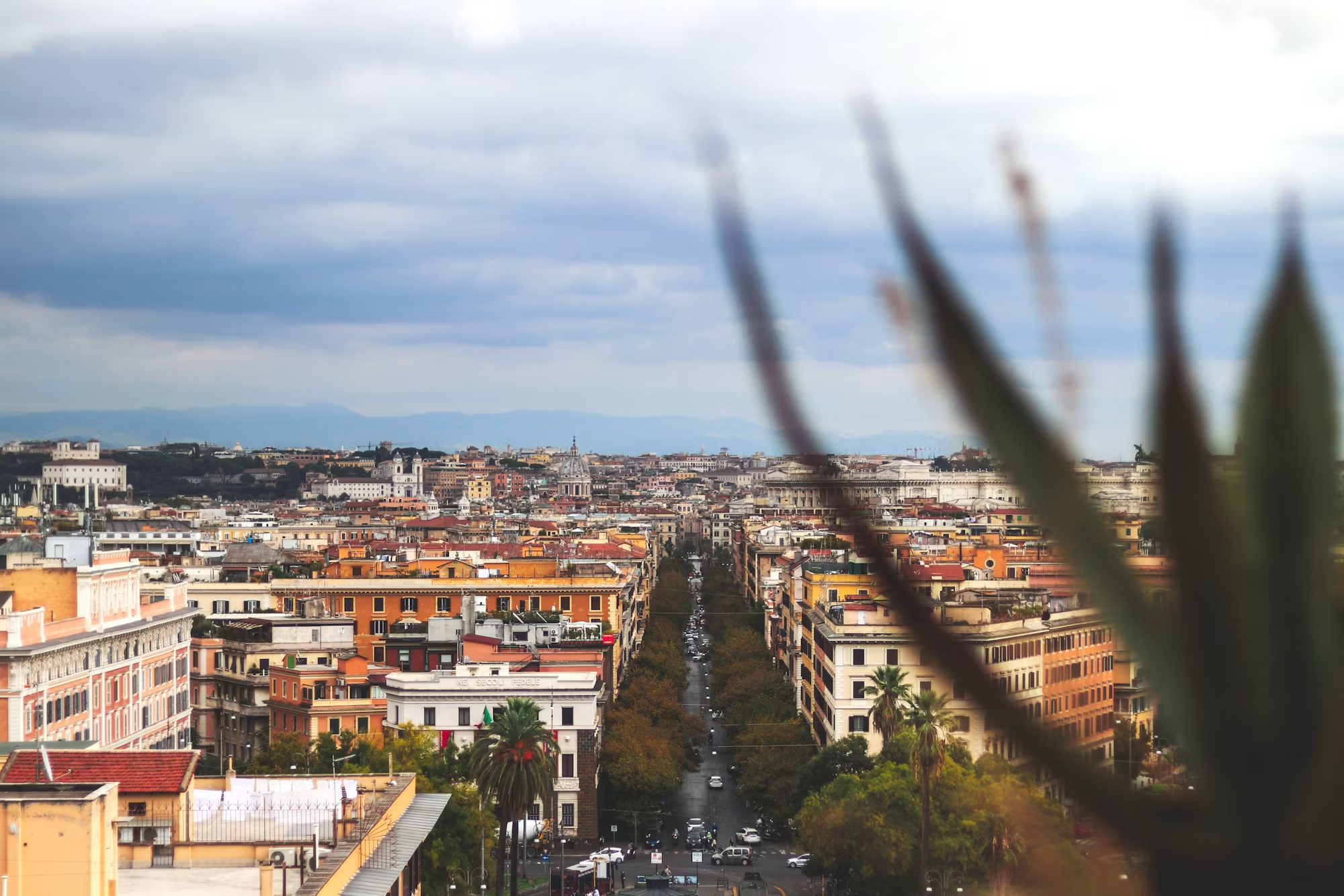

As urbanization continues to rise, the integration of green spaces in cities has become a crucial element in creating sustainable living environments. Urban green spaces, including parks, gardens, and green roofs, not only enhance the aesthetic appeal of cities but also provide numerous benefits that contribute to the well-being of residents. This article examines the significance of urban green spaces, their impact on health and community, and successful initiatives that cities around the world have adopted to promote sustainability.
The role of green spaces in urban areas extends far beyond mere decoration; they serve as vital components of the urban ecosystem. These spaces help mitigate the effects of urban heat islands, where cities become significantly warmer than their rural surroundings due to human activities and infrastructure. By introducing vegetation, cities can lower temperatures, improve air quality, and promote biodiversity. For instance, a study conducted in Chicago demonstrated that strategically planted trees and green areas can reduce local temperatures by several degrees, creating a more pleasant environment for residents.
In addition to cooling benefits, urban green spaces provide essential habitats for wildlife, supporting biodiversity in densely populated areas. These habitats attract various species, including birds, butterflies, and beneficial insects, which play critical roles in pollination and pest control. By creating interconnected green corridors, cities can foster wildlife movement and increase ecological resilience. Cities like Melbourne have recognized the importance of such corridors, actively integrating them into their urban planning to enhance ecological connectivity.
Furthermore, green spaces significantly contribute to the physical and mental health of urban dwellers. Access to parks and natural areas encourages physical activity, from jogging to yoga, leading to healthier lifestyles. Research indicates that residents living near green spaces are more likely to engage in outdoor activities, which can reduce obesity rates and improve cardiovascular health. Additionally, exposure to nature has been linked to reduced stress levels and improved mental health. A study in the UK found that individuals who spent time in natural settings reported lower levels of anxiety and depression, highlighting the therapeutic effects of green spaces on urban populations.
The social benefits of urban green spaces are equally noteworthy. These areas serve as communal gathering spots, fostering social interactions and community bonding. Parks and gardens provide venues for events, picnics, and recreational activities, strengthening relationships among residents. In cities like Paris, community gardens have emerged as hubs for social interaction, where people of diverse backgrounds come together to cultivate plants, share knowledge, and build friendships. This sense of community not only enriches individual lives but also enhances social cohesion, making neighborhoods more resilient.
Moreover, urban green spaces contribute to economic vitality. Well-maintained parks and gardens can increase property values, attracting residents and businesses alike. Areas with ample green space often become more desirable locations, driving real estate demand and stimulating local economies. Cities that invest in their green infrastructure often see positive returns on investment through increased tourism, enhanced business activity, and higher tax revenues. For example, New York City’s Central Park is not only a cherished public space but also a significant economic driver for the surrounding area, generating billions in economic activity each year.
Cities around the world are increasingly recognizing the importance of integrating green spaces into urban planning. Innovative initiatives are being implemented to create sustainable environments that prioritize greenery. For instance, Singapore has gained international acclaim for its “Garden City” approach, which incorporates parks, vertical gardens, and rooftop greenery throughout the urban landscape. This commitment to greenery not only enhances the city’s aesthetic appeal but also contributes to improved air quality and biodiversity.
Another remarkable initiative is the High Line in New York City, an elevated park built on a disused railway line. This unique project transformed an underutilized space into a vibrant public park, offering a green refuge amidst the urban hustle. The High Line has become a model for repurposing infrastructure to create green spaces, demonstrating that innovative design can enhance urban life while preserving historical elements.
However, despite the numerous benefits of urban green spaces, challenges remain. Urban planners must navigate issues such as land use, maintenance costs, and accessibility to ensure that green spaces are equitably distributed across communities. In many cities, lower-income neighborhoods often lack access to quality parks, exacerbating social inequalities. To address this issue, cities must prioritize inclusive planning processes that consider the needs of all residents, ensuring that everyone has access to green spaces.
Community engagement is essential for the successful implementation and maintenance of urban green spaces. Involving residents in the design and upkeep of parks fosters a sense of ownership and stewardship, encouraging individuals to take an active role in their community. Cities can facilitate this engagement through participatory planning processes, where residents provide input on park designs and programming. For instance, the “Park(ing) Day” initiative encourages community members to temporarily transform parking spaces into mini-parks, sparking conversations about urban green space and its importance.
Additionally, education and awareness programs can empower residents to utilize and protect their local green spaces. Workshops on gardening, sustainability, and environmental stewardship can inspire individuals to cultivate their gardens and engage with nature, further enhancing the benefits of urban greenery. Cities like Seattle have implemented educational programs that promote urban gardening, helping residents grow their food while connecting with their community.
As urban populations continue to grow, the demand for sustainable living environments will only increase. Urban green spaces play a pivotal role in meeting this demand, offering solutions to pressing urban challenges. By prioritizing greenery in urban planning, cities can create healthier, more vibrant communities that support both people and the planet.
In conclusion, urban green spaces are vital to the future of sustainable city living. They provide environmental, social, and economic benefits that enhance the quality of life for urban residents. As cities embrace innovative approaches to integrate green spaces into their landscapes, they not only improve their own livability but also contribute to a more sustainable and resilient future. Through collaborative efforts, community engagement, and thoughtful planning, urban green spaces can thrive, enriching urban environments for generations to come.